The new IATI Validator is open for public testing
Cross posting from our Data4Development news:
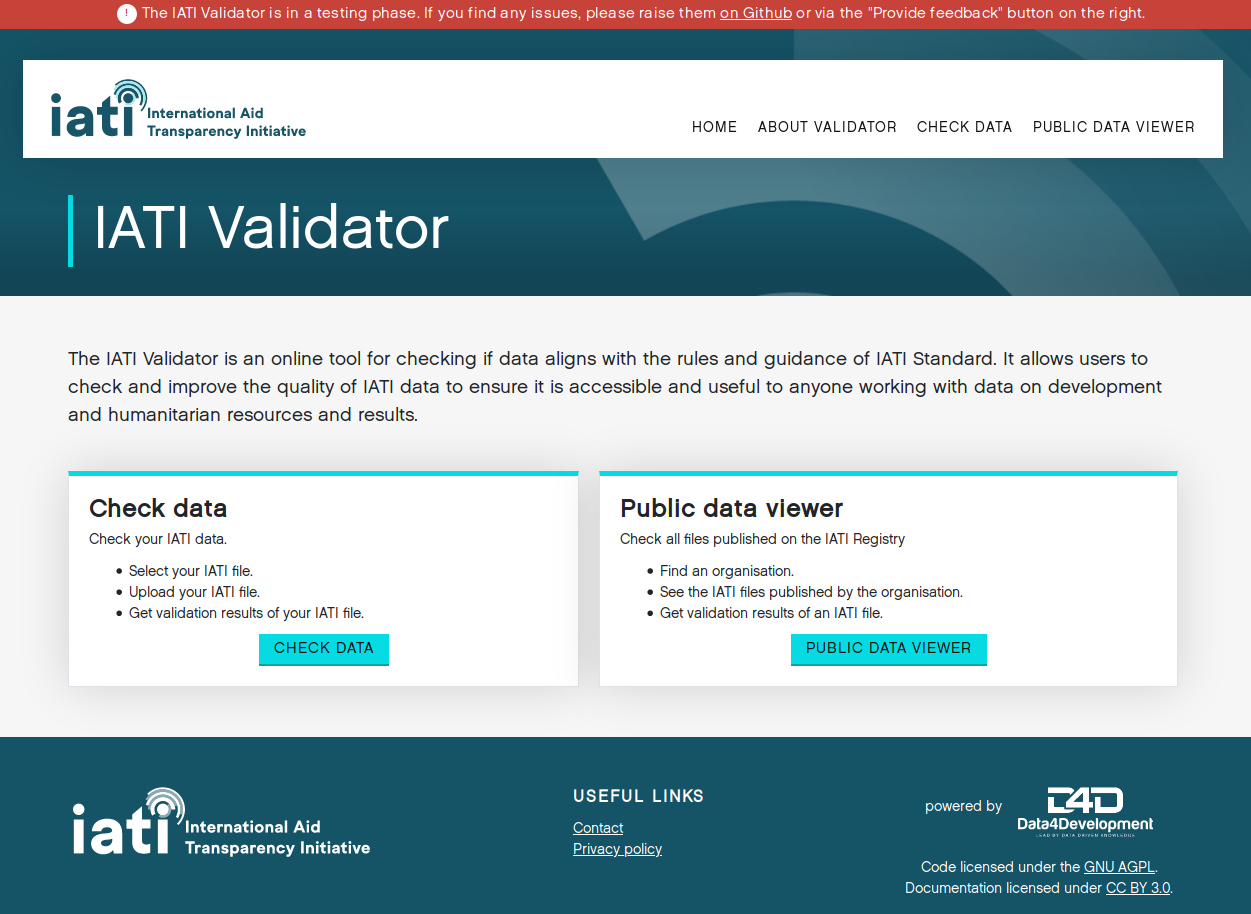
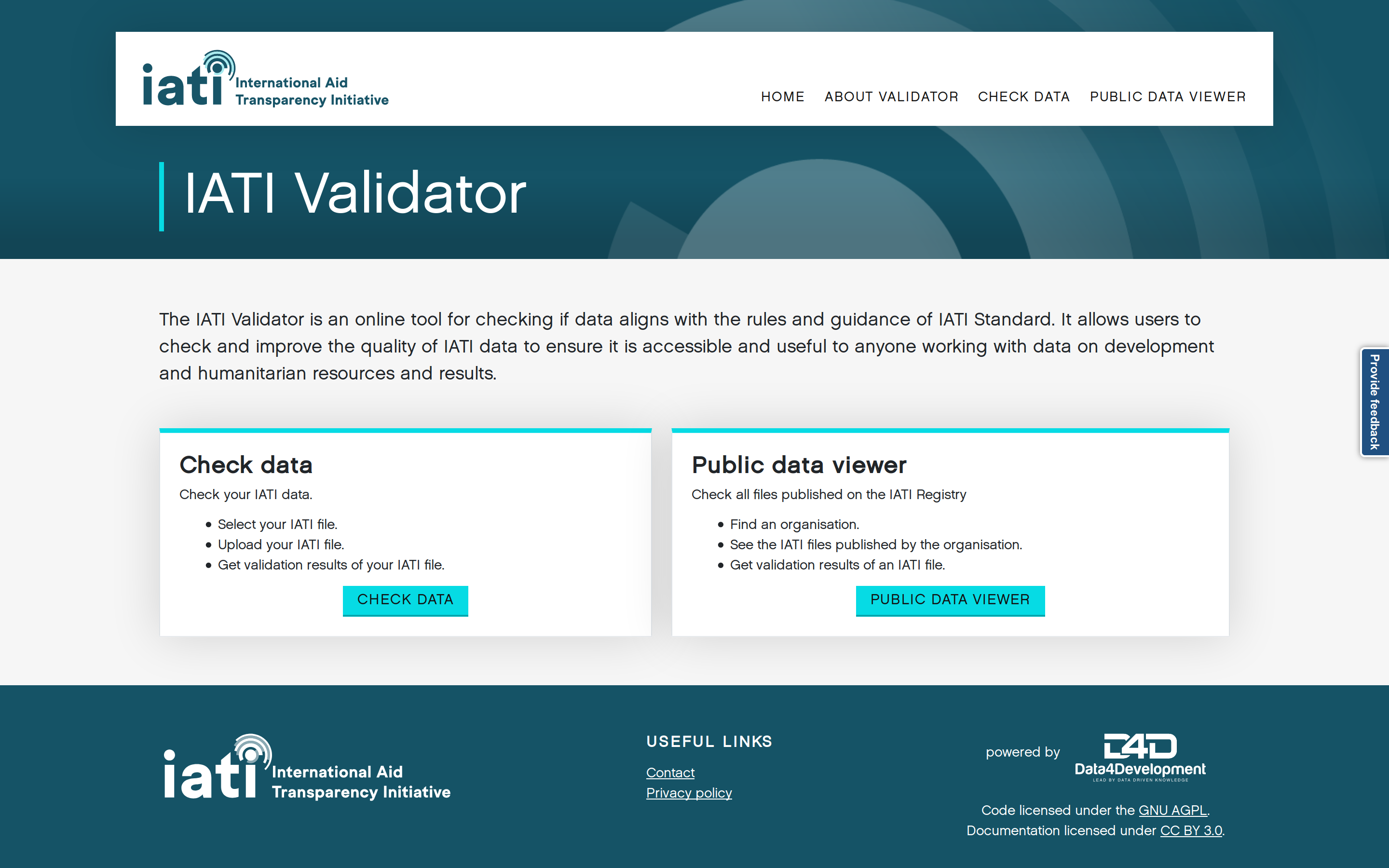
With the start of public testing of the new IATI Validator, we like to briefly look back at how we got here, and our vision for the future.
I worked with Data4Development on #IATI data quality and publishing tools. Some posts here were written by my colleagues.
Cross posting from our Data4Development news:
With the start of public testing of the new IATI Validator, we like to briefly look back at how we got here, and our vision for the future.
While I was on holidays, my colleagues wrote a little announcement at the Data4Development site to accompany the update by the IATI Secretariat about our work:
[Originally posted by Jesse Burns at the Data4Development website]
The last few months, Data4Development, especially Rolf Kleef, has been working on IATI’s new official Data Validator. In the fall, the new validator will finally launch and help organisations check the quality of their IATI publications more easily!
For completeness, I copied my post from the Data4Development site:

The State of Open Data (Davies et al., 2019)1 is an extensive report about “all things open data”. Chapter 5 deals with open data for development assistance and humanitarian action, and highlights the crucial chicken-and-egg problem we see as well:

In 2016, the Dutch Ministry of Foreign Affairs introduced public IATI data as a replacement for quarterly progress reports for their grantees1, and so dozen of (mainly Dutch) organisations have started integrating IATI into their internal management information processes, and worked on ways to include the results of their projects in the data they publish.

By now, most of the have published their first data sets in the IATI Standard. This is the start of mandatory publishing of data to replace written progress reports, and, as the Partnership programmes are also just starting up, allows everyone to first focus on traceability. The provide details and examples on how to create proper links between activities of your organisation and those of others.

Publishing data in the IATI format can help organisations and their stakeholders get a better grip on the quality of their information and on their impact. Organisations in a Strategic Partnership with the Dutch Ministry of Foreign Affairs had to publish their first data sets before May 1st.
How did the process go, and what insights and learning points did it bring?