Rolf Kleef
The drugs don’t work: a modern medical scandal
The drugs don’t work: a modern medical scandal:
The Guardian published an edited extract from Bad Pharma, by Ben Goldacre. A horrific story of where we have let the pharma industry take us. As terrible as the global banking crisis, with people actually dying…
Around the web in week 39, 2012
 Fundstücke published this week:
- How policy actors engage with information systems, and where knowledge intermediaries could best add value 28 Sep 2012, S.J. Batchelor This is a draft report to share some interim findings from the study – ‘Information Ecosys…
New publication: business intelligence in the aid sector
Announing a new publication: “An Information Platform for Business Intelligence in the Aid Sector based on Open Data and Documents; Integrated Access to structured and unstructured data using the document-oriented database CouchDB”, by Michiel Kuijper.
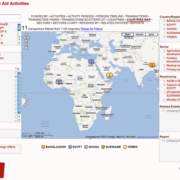
Earlier this year, I was approached by Michiel Kuijper, who was working on his Bachelor degree at the Amsterdam University of Applied Sciences, and was looking for a project to combine Business Intelligence and text mining. Together, we started exploring how to apply this in the development aid sector.
A protocol for IATI implementation by CSOs: your comments, please!

The International Aid Transparency Initiative (IATI) provides a standard to publish information on aid activities, and is intended to be used by (and useful for) all actors in development aid.
Interest is definitely growing and several organisations are investigating how to implement the standard. In several countries, national platforms of civil society organisations (CSOs) are engaging in discussions with their respective Ministries how to encourage and support implementation of IATI by CSOs. In the UK, DFID is even making IATI-compliant publication of data a condition for funding. Implementing IATI brings to the surface various issues that need to be addressed, some specific for CSOs.
Within IATI, a dedicated informal working group is discussing these implications for CSOs. This CSO Working Group has produced a Background Paper, attempting to provide a comprehensive overview of such issues, and to work towards ways forward.
Around the web in week 34, 2012
Fundstücke published this week:
- Cyso sponsort Partijgedrag 22 Aug 2012 Op woensdag 12 september zijn er verkiezingen voor de Tweede Kamer. Om de kiezer te helpen bij het m…
Around the web in week 31, 2012
Fundstücke published this week:
- New CKAN data portals 31 Jul 2012, Mark Wainwright The last few months have seen a lot of activity in Open Data round the world, and a corresponding …
BBC Internet Blog: Building the Olympic Data Services
BBC Internet Blog: Building the Olympic Data Services:
The Olympic achievement behind the scenes: building a linked data architecture to deal with XML message streams, a complex domain ontology, near-real-time video on demand linked with additional information, with real-time adjustments to performance and prioritisation, future-proof and gracefully degrading.
DFID Open and Enhanced Access Policy Published at Long Last
DFID Open and Enhanced Access Policy Published at Long Last:
From November 1st, all recipients of DFID funded research must make their findings freely available.
[…]
Under the new policy, researchers will be required to make peer-reviewed journal articles open access through one of two routes: open access publishing (gold open access) or self-archiving (green open access).
It also is intended to give a boost to the DFID Research 4 Development (R4D) portal.
Marc Goodman: A vision of crimes in the future
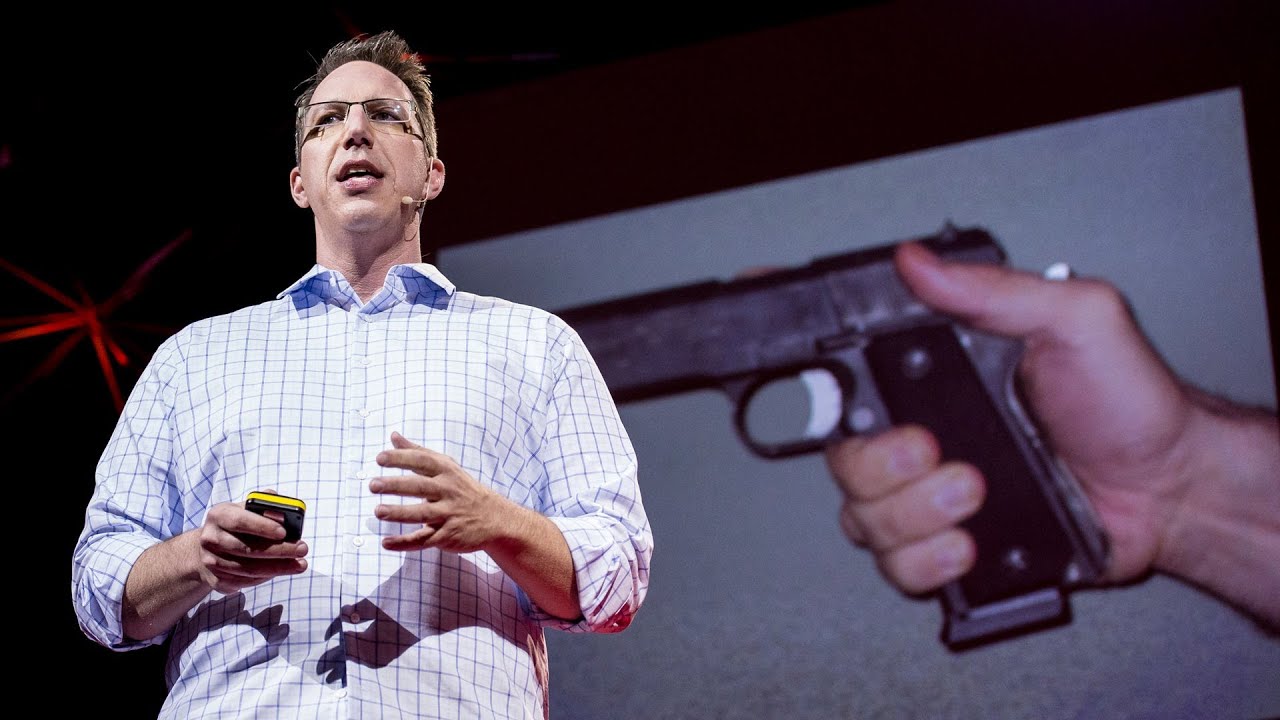
Marc Goodman A vision of crimes in the future (Jul 12, 2012)
Marc Goodman: A vision of crimes in the future (by TEDtalksDirector)
What can (also) be expected with drones, 3D printing, the internet of things and DNA sequencing…