Skip to content

Updates

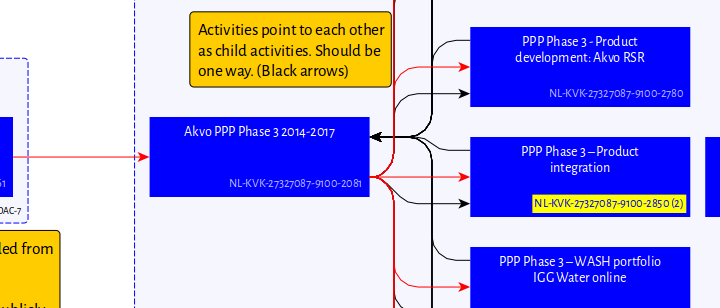
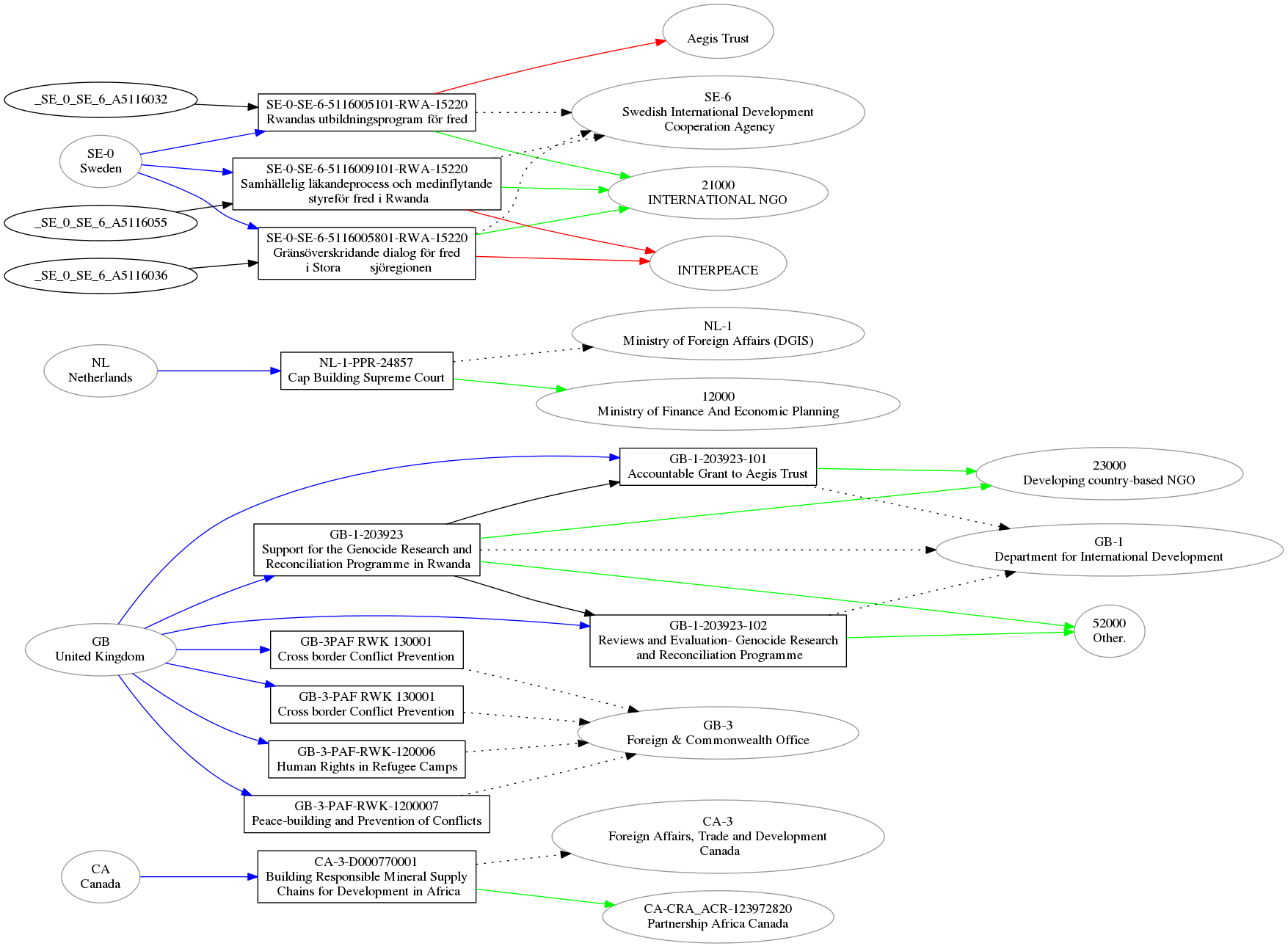
Examining structures in IATI

structure.png

Dozens of new organisations are getting ready to publish IATI data: the Dutch Ministry of Foreign Affairs made it a requirement for the grantees in the strategic partnerships programme on lobby and advocacy that started this year.

The Ministry has published their guidelines on how to create a useful IATI data set, and part of those guidelines (chapter 3) is an overview of how to represent the structure of funding and activities.

I’m helping organisations get their data in order, and so I was looking for an easy way to see the structure of activities in their data. Browsing through XML data only gets you so far…

Active versus passive DisplayPort adapters

A while ago I bought a new laptop, and it has a mini DisplayPort to connect to a monitor. The mini DisplayPort rose to fame thanks to Apple users: when doing a presentation they always ask “does anyone have a spare adapter so I can connect to the projector?”.

display-adapter-port.jpg

(image Aurélien Selle, via Wikipedia)

I’m one of those people now: my Dell laptop (with factory-installed Ubuntu!) has a mini DisplayPort. When I ordered, I could add an adapter, to connect to my VGA monitor. But why pay around €35 for an adapter when I saw them elsewhere for more like €15. With no apparents difference.

Development Data: One Step Beyond

presentation-1.jpg

Today, Open Development Camp is happening again. I’m part of a panel:

In the last five years much emphasis has been put on the publication of open development data. How useful has this effort been? What have we learned so far? and Which insights did we gain? Theo van de Sande (The Netherlands Ministry of Foreign Affairs), Leonardo Pérez-Aranda (Oxfam Intermón) and Rolf Kleef (Open for Change) will share their insights on this subject and together we will explore what the future has store for open development data.

My contribution to kick off the discussions:

Results in IATI? Or observations? Or sources?

../../../../assets/posts/iati-logo-name.png

The IATI Technical Advisory Group is kicking off, and one discussion I’m looking forward to is on how to publish “results”.

There are proposals by Herb Caudil of DevResults (1, 2) and earlier reflections by Bill Anderson (1). Herb’s proposals are good: we need indicator references (or even URIs), and it makes sense to have a separate standard to describe the definition and logic of indicators.

After a few days of discussing standards, and with some concerns of NGOs in the back of my head, some scattered thoughts:

Cooking with IATI data

cooking.jpg

Imagine: you’ve produced your first data file using the IATI Standard: your organisation’s activities, partner organisations, budgets and results are neatly represented in an XML file. But before you publish that file, you’d like to show it to your team and colleagues and get feedback. XML will not get them very excited.

Oxfam Novib publishes IATI data

../../../assets/posts/54b27ad93bee8ab961b12a2467b7ee2f_MD5.png

Today, Oxfam Novib went public with their Atlas project browser and open data.

Various people in the Open for Change network have been working with Oxfam Novib for a while now, helping to explore the potential of “open” and to transform the organisation towards “open”. The starting point was “open data”, but Oxfam Novib didn’t focus on just the technical side of things: they wanted to embed “open” more deeply into the way they worked.

User feedback in AidStream

aidstream.png

A month ago, on April 8th, I helped a group of Dutch NGOs get to grips with AidStream, as part of the Partos IATI programme. As always, it’s very informative to see unsuspecting users try to make sense of a new tool. It resulted in a list of observations, often easy fixes, that can make life a little easier or more pleasant.

That same week, the AidStream code base was published on Github, and I had a chance to participate in the team check-in, and report a bunch of these observations as issues. We’re hardly a month later, and I’m glad to see a steady flow of notifications of issues being closed: